AUDREY LYLE
The technician who notices the impossible, becomes its first human subject, and spends a lifetime watching her discovery become infrastructure.
A FEATURE FILM BY ALEC BOWMAN_CLARKE
DISTANCE IS A PROBLEM.
UNTIL IT ISN’T.
THE DISTANCE
BETWEEN US.
When lab technician Audrey Lyle accidentally discovers how to remove distance, she helps build a transport system that reshapes civilisation, then must expose its concealed human cost before the greatest journey in history repeats the lie that destroyed her family.
EXPLORE THE FILM ↓NOTHING CROSSES THE INTERVAL.Same particle. Other boundary.
THE FILM
INTERSPATIAL is a procedural science-fiction family drama about the discovery that distance can be engineered — and the woman who learns that removing distance does not create closeness.
The impossible arrives without spectacle. It is measured, repeated, budgeted, certified and deployed. The scale grows from a packaging line to another world. The wound stays domestic.
01 / LINE 3
A tired Audrey makes a small procedural mistake. The cycle runs. Her sandwich is pressed against a sealed package. For a moment, their boundaries slightly overlap. A tiny fragment is left inside the package. The seal is unbroken.
SANDWICH / SEALED PACKAGE
LOCAL CONTACT. INTACT PACKAGING.Trace enlarged for visibility.
02 / THE EFFECT
 Inside Calyxyr it begins as Controlled Clearance Loss. In the literature it becomes the Markham–Lyle Effect. The rest of the world calls it Interspatial Displacement.
“For a short time, the measured distance behaves as though it is not there.”
03 / NORTH RONA
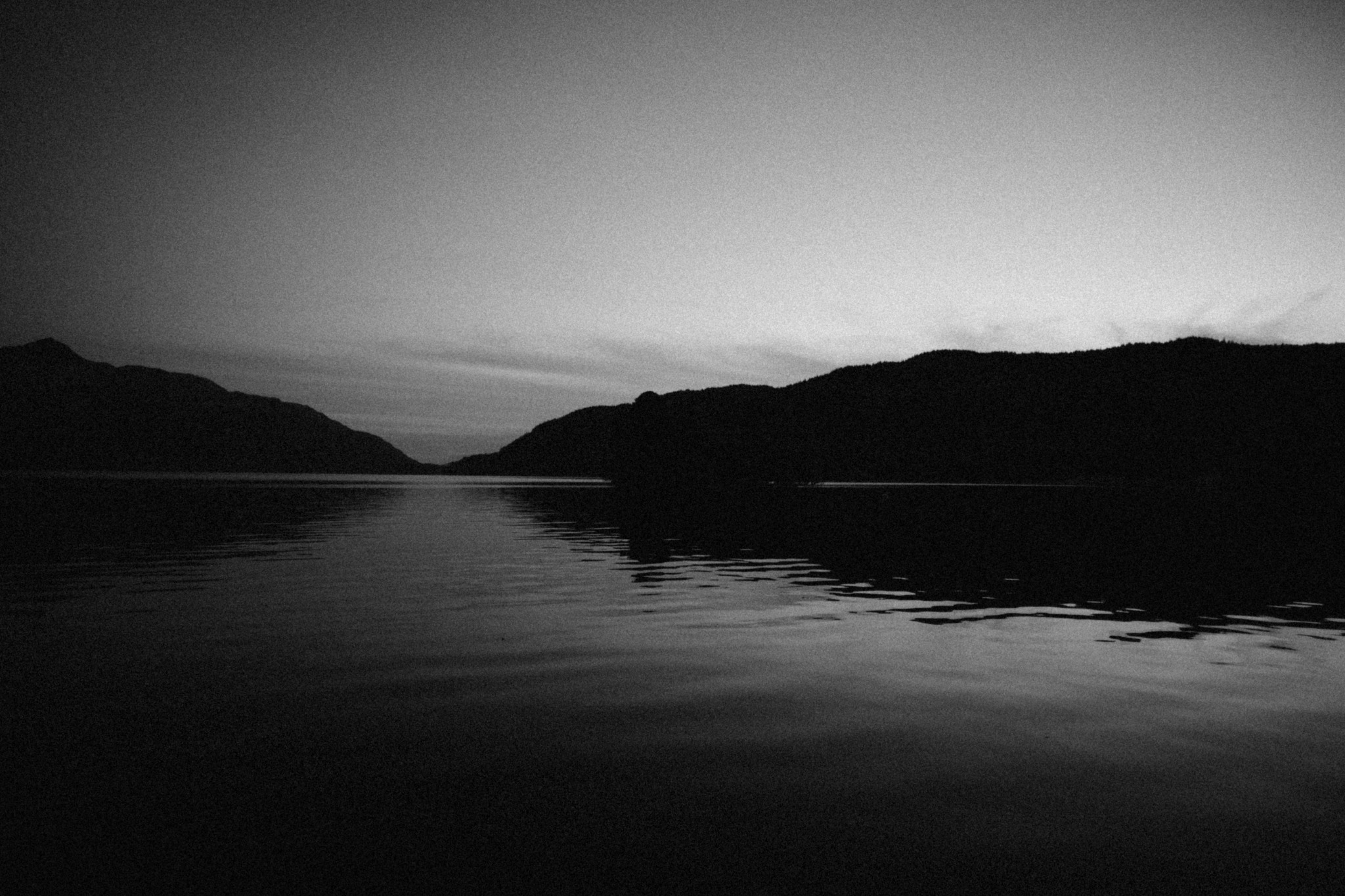
No patient. No pilot. No rescue. Two certified boundaries and one sealed medical instrument. The North Rona trial proves the effect at scale.
04 / HUMAN
The effect behaves best with dry, sealed objects. Living bodies are wet, unstable and full of boundaries the system can misread.
05 / INFRASTRUCTURE
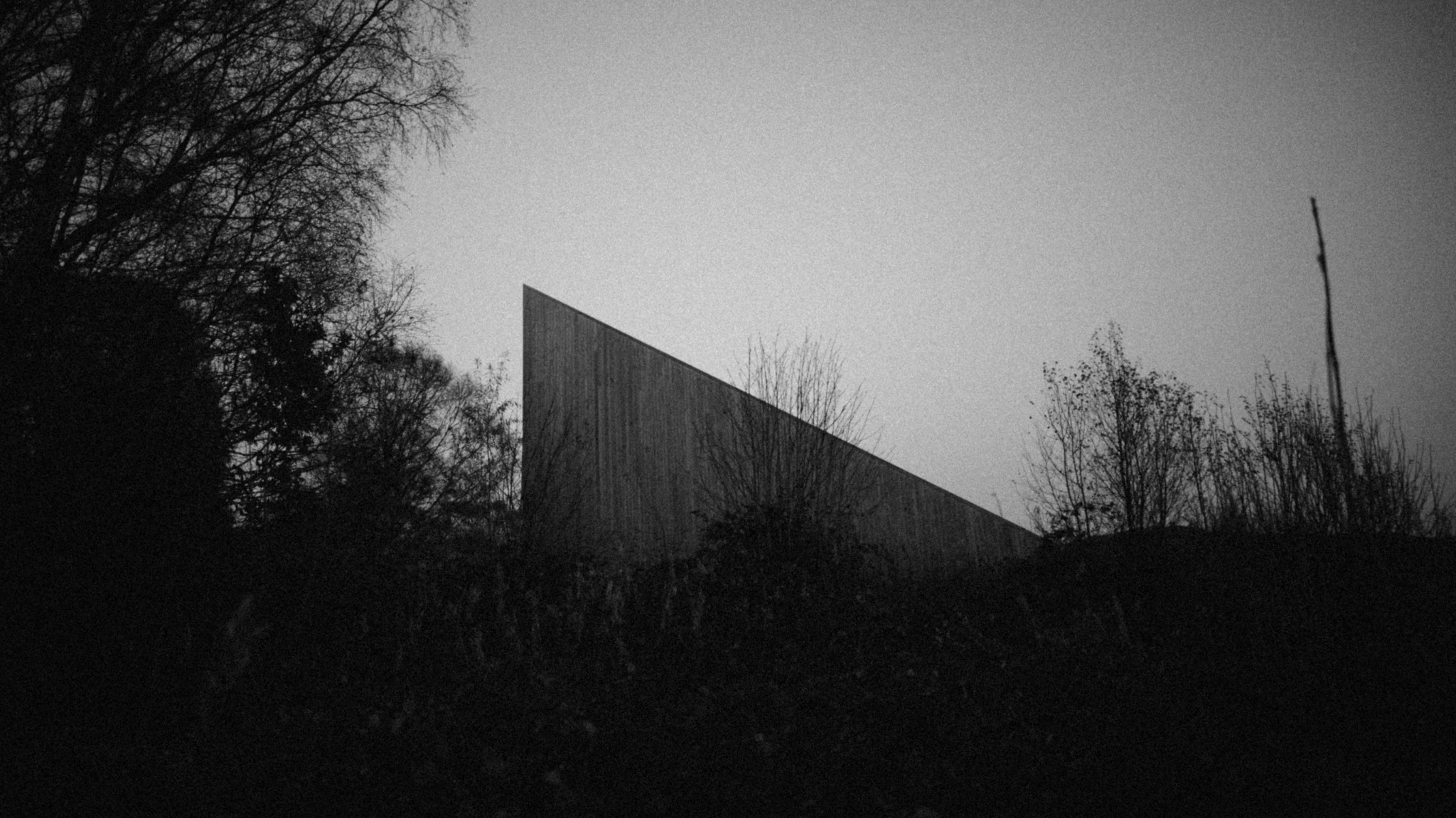
Emergency supplies reach cut-off clinics. Receiver sites appear around the world. Calyxyr does not replace roads, ports and airports. Not at first. It replaces the assumption beneath them.
IF AN OBJECT DOES NOT PASS THROUGH THE SPACE BETWEEN COUNTRIES, WHERE DOES IT CROSS THE BORDER?
06 / MARS
Years pass. The infrastructure reaches Mars. The impossible has become standards, receiver maps, insurance clauses and routine procedure.
07 / NEW VOYAGER
TRANSFER TIME0.000 s
CONFIRMATION TIME24 h
The journey is instantaneous.
The news still has to travel.
08 / THE JOURNEY HOME
Audrey comes home the old way.
Connections. Waiting. Weather. Ordinary transport. Having spent her life removing every journey, she finally makes one slowly.
Her journey home is punctuated by a livestream awaiting confirmation that the most ambitious journey ever undertaken by humans has succeeded.
The world watches. Audrey watches on her phone, on her way home to her daughter.
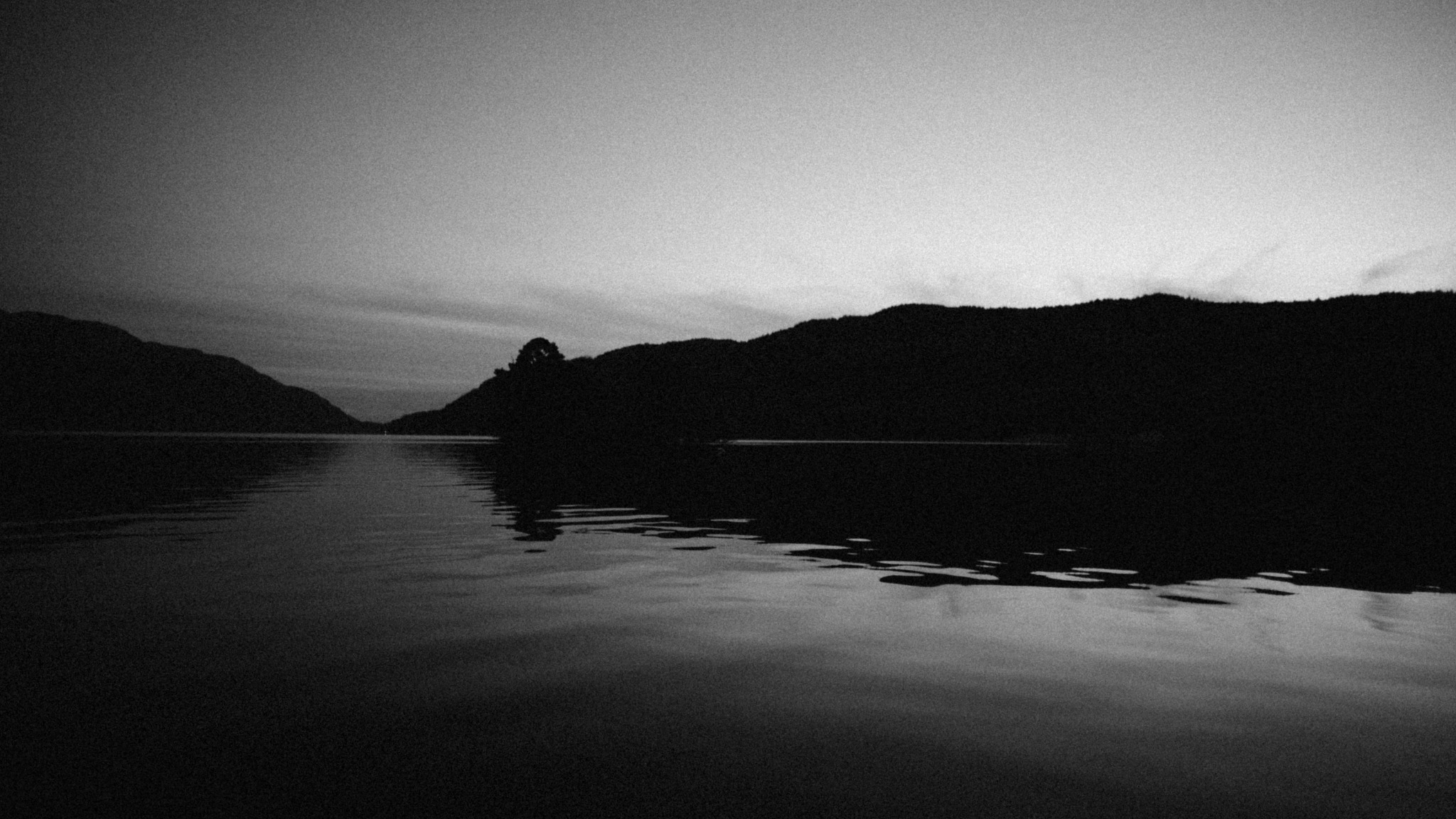
HOME / AUDREY & NELL
Nell. Cold pineapple pizza.
A television carrying confirmation
from one light-day away.
“WE LIVE THERE NOW.”
PEOPLE
The technician who notices the impossible, becomes its first human subject, and spends a lifetime watching her discovery become infrastructure.
The scientist who contains the discovery through evidence, rules and paperwork — until the system misreads the boundary around her own body.
Audrey's daughter. The person who understands before Audrey does that physical distance and human absence are different problems.
The family life continuing around Audrey while history repeatedly asks her to be somewhere else.
REFERENCE FILMS
Denis Villeneuve / 2016
Scale without noise. Scientific procedure makes the extraordinary credible while the emotional consequence remains intimate.
Damien Chazelle / 2018
Technological achievement and private absence occupying the same frame. Machinery can cross impossible distances; family remains harder.
Robert Zemeckis / 1997
For the seriousness of discovery: experiment, proof, institutional consequence, then an idea large enough to alter civilisation.
Charlotte Wells / 2022
For confidence in small domestic behaviour. The largest emotional information can sit inside an ordinary gesture, silence or shared room.
THE FILM / SIX ELEMENTS
Patient, observational and physically grounded. Frames are built around people doing work: measuring, waiting, travelling, eating. As the distances increase, the camera becomes calmer.
Natural and practical wherever possible. Laboratories are workplaces, not blue sci-fi spaces. Homes are warm without nostalgia. Exterior scale comes from weather and latitude.
Movement belongs to people, vehicles, machinery and weather — not transfer. Matter does not streak, dissolve or travel. It is there, and then it is somewhere else. The absence of an effect is the effect.
Procedural and cumulative. We understand a new rule, then cut forward to humanity already exploiting it. Enormous advances can arrive almost casually.
Packaging machinery, ventilation, relays, boats, buses, doors. Transfer has no heroic signature. Distance disappearing is less sonically impressive than travelling through it.
Restrained and structural rather than emotional instruction. Electronic and acoustic material can expand in scale without becoming triumphalist. At home, it can disappear.
STATUS / 2026
GENREElevated science-fiction / family drama
LENGTH116 pages
SETTINGResearch laboratories / North Rona / global receiver sites / Mars / New Voyager
TONEProcedural / intimate / expansive / melancholy